Food/Processing Industry
CIFT provides the following services for food processors:
Product and Package Development
New and emerging technologies in the areas of food processing, preservation and packaging are widespread. CIFT's network of food scientists and business advisors work with industry and academia to bring innovations to the marketplace, helping food processors optimize their operations.
Food Safety Consulting
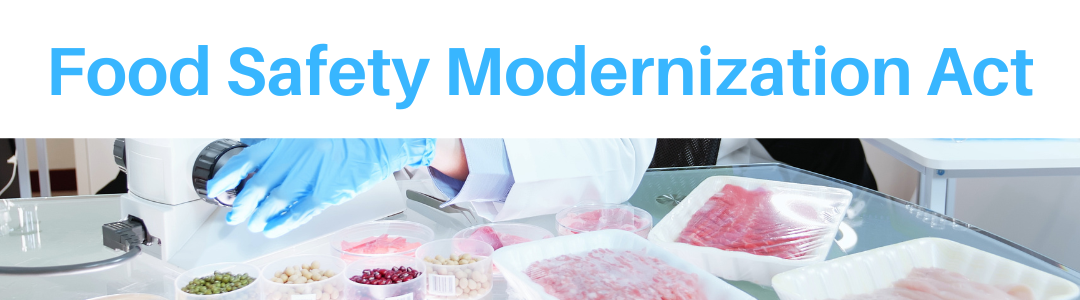
CIFT's expert network of food scientists offers a full range of food safety services to food processors through microbiological consulting and testing, food safety auditing, and food safety and quality training. We also help processors develop food product handling practices and procedures, including worker hygiene and sanitation practices.
A food safety hotline was established at Ohio State University nearly 15 years ago as an industry tool for small businesses, growers and food producers. Thanks to a partnership with Kroger, Ohio State and CIFT, this industry service was expanded to improve food safety awareness among Ohio consumers. Learn more about this great success story.
The Food and Drug Administration (FDA) lists recalls, withdrawals and alerts on their website, which includes the most significant product actions of the last 60 days, based on the extent of distribution and the degree of health risk. Learn more about the latest FDA food recall notices.
Technology Development & Prototyping
CIFT collaborates with a variety of food equipment manufacturers to develop prototype equipment for evaluation and commercialization. By tapping into available resources, food based companies can benefit from new equipment applications and technologies and, ultimately, enhance their competitiveness within the marketplace.
Based in Dublin, Ohio, Vitality Distributing, Inc. is the name behind a product called Avitae (ah-vee-tay) energy water. With just 45 mg of natural caffeine and purified water, Avitae's potential market demographic (men and women 20-50 years old) held great promise. In 2007, Vitality Distributing CEO Brian Pitzer followed through with the business concept and plan for a business behind the water product. However, the company had no experience in the food or beverage industry. Learn how CIFT helped launch this product from concept to reality through research and development services.
Engineering Assistance
Extending your team of engineers when the need arises, CIFT provides engineering assistance to food equipment companies on a project-by-project basis.
Functional Foods
CIFT and the Ohio Department of Development (ODOD) announced award recipients of the Functional Food and Ingredient Development (FFID) fund. Functional foods are foods and food components that provide a health benefit beyond basic nutrition. The following recipients share in a $125,000 fund to support the development and commercialization of innovative Ohio products, and to enhance the economic performance of the agri-food sector:
• AlgiSys – for partnering with 3i to develop a liposome nano-encapsulation of omega-3 algae oil for food and beverage applications.
• American Dairy Association (Mideast) – for creating a more nutritious probiotic yogurt.
• Around the World Gourmet – for developing a double functional gluten-free, casein-free bread for those with a special diet.
• Ohio State University – for developing a prebiotic chocolate bar which reduces the absorption rate of cholesterol, and increases absorption rates of calcium and other beneficial substances.
• Sensus – for partnering with Wyandot, Inc. (a snack manufacturer in Marion, OH) to develop a high-antioxidant/high-anthocyanin, nutritious purple corn snack food for the benefit of Ohio farmers, processors and consumers.
“The Ohio Department of Development technology division embraces new techniques and development efforts – and the Center for Innovative Food Technology exemplifies this through food and agricultural efforts,” John Griffin, director of technology division, ODOD, said. “It is an honor to present these five companies with assistance to carry their concepts forward and enhance the food industry in Ohio, as well as provide consumers with nutritious products.”
To learn more about proposals for this year's award, contact Stephanie Smith, Ph.D., food scientist, CIFT, at
This e-mail address is being protected from spambots. You need JavaScript enabled to view it
.
Technology Commercialization
CIFT leads the way in the commercialization of several newly patented technologies. Our equipment partners play a critical role in the commercialization process by exploring, designing, building and helping to market the novel equipment. As a result, equipment manufacturers develop new relationships and generate additional business revenue.
Technology Transfer
Utilizing a network of university researchers, government agencies, and industry suppliers, CIFT actively pursues research opportunities with an emphasis on potential commercial interest. Many of these applications involve connecting equipment manufacturers to develop pilot plant equipment with the ultimate goal of product and process commercialization.
Waste Reduction & Remediation
CIFT's staff of engineers specializes in identifying Pollution Prevention (P2) initiatives that have a positive impact on bottom line financials. CIFT helps reduce the adverse impacts of wastewater and manage process wastes and by-products, including reducing the impact of wastewater discharge through innovative treatment and/or reuse of process water. Our expertise includes environmental regulatory compliance that relates to wastewater discharge, air emissions, storm water, pollution prevention plans, and spill prevention control plans.
Energy Efficiency Consulting
Energy usage and efficiency is a priority issue for greenhouse operators. CIFT’s staff of engineers performs energy use assessments to identify energy efficiency and cost savings opportunities through implementation of energy efficient equipment, controls and processes. An Energy Usage and Cost Analysis includes power rate structures, tariff analysis, as well as electrical usage and demand trend analysis. Feasibility, program development and implementation recommendations are essential in successful energy efficiency improvements.